Not Your Average Swimming Pool: Designing for Animals
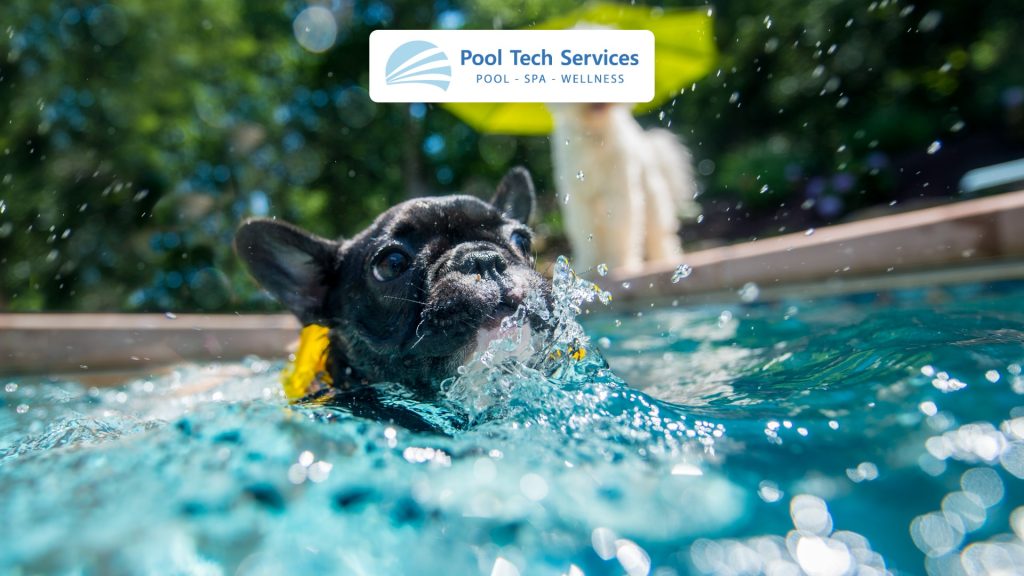
With the upcoming ISPE Winter Seminar featuring a presentation specifically on water treatment in animal hydrotherapy, it’s an interesting opportunity to look at the engineering challenges involved in swimming pools designed for animals, whether for rehabilitation, exercise or simply having a good swim.
Animal hydrotherapy is playing an increasingly important role in rehabilitation and physical wellbeing, particularly for dogs recovering from injury, surgery or mobility problems. But there’s also a growing interest in recreational swimming facilities for dogs, offering opportunities for exercise, enrichment and enjoyment.
While the reasons for using these pools might be different, they raise the same question from an engineering perspective: should swimming pools for animals be treated in the same way as conventional swimming pools?
In our view, the principles are similar, but the practical challenges can be quite different.
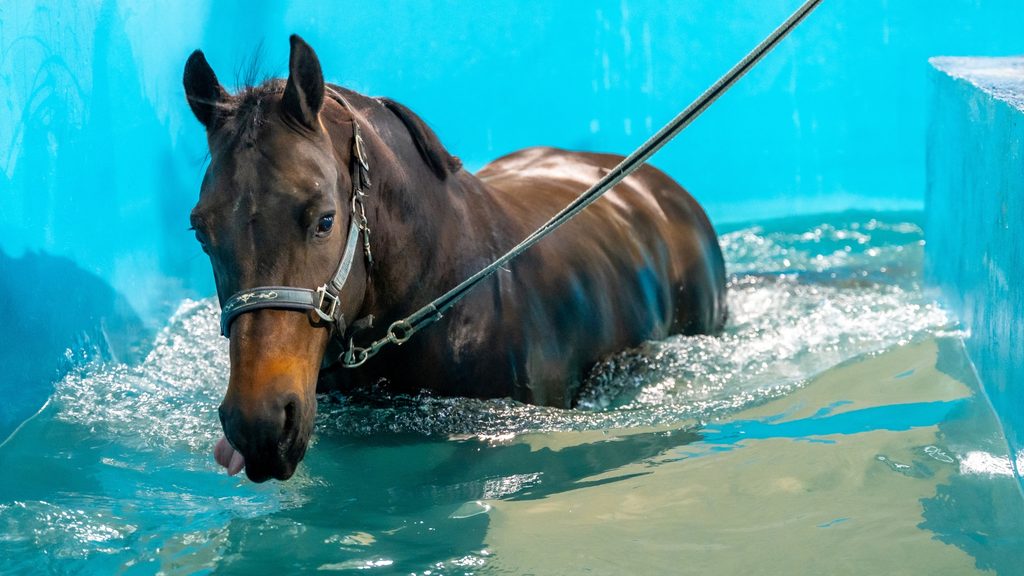
Different Users, Different Challenges
Whether it’s a hydrotherapy pool or a leisure pool for dogs, water treatment, circulation, filtration and disinfection are just as important as in any commercial swimming pool.
However, the demands on these systems can be greater. Hair, dirt, organic matter and the occasional accident all place additional pressure on filtration and water treatment. Add warmer operating temperatures in hydrotherapy facilities or higher numbers of animals using recreational pools, and maintaining good water quality becomes even more important.
Simply increasing chemical dosing isn’t the answer. The entire system needs to be designed and managed around how the facility operates, while taking animal welfare into consideration.
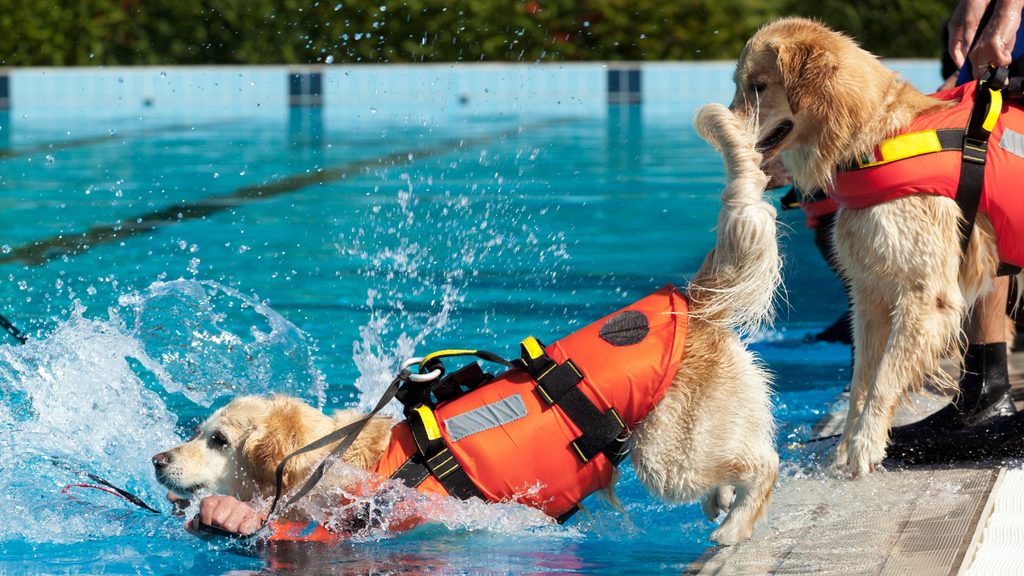
Getting the Engineering Right
As with any specialist pool, what happens behind the scenes is just as important as the pool itself. Plant room design, pipework, filtration and chemical dosing all need careful consideration from the outset. Is the pool being used for controlled rehabilitation sessions or recreational swimming? How many animals will use it? What temperature will it operate at? How will water quality be monitored and maintained?
A hydrotherapy facility with scheduled one-to-one sessions will have very different operating requirements from a leisure pool welcoming multiple dogs throughout the day. Getting these decisions right early on can help prevent ongoing water quality problems, unnecessary running costs and expensive modifications further down the line.
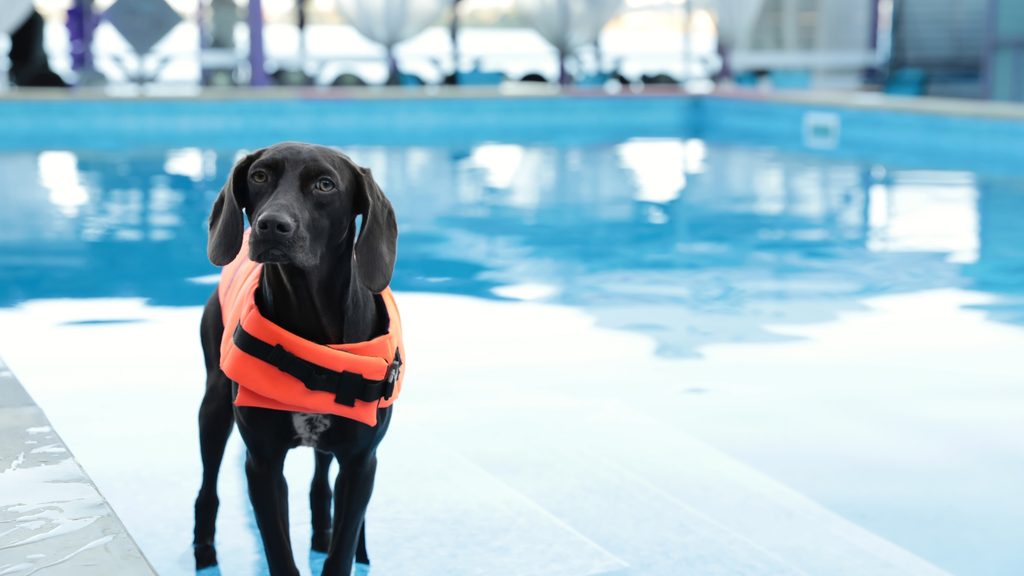
Maintenance Matters
We’ve always been big believers in preventative maintenance, and swimming pools for animals are no exception. A pool might look perfectly fine on the surface, but overloaded filters, poorly calibrated dosing equipment or circulation issues can quickly affect performance.
For hydrotherapy facilities, an unexpected closure can disrupt treatment schedules. For recreational swimming facilities, it means cancelled bookings and disappointed customers. Either way, downtime costs money. Regular servicing, effective monitoring and identifying potential problems before they become bigger ones are essential.
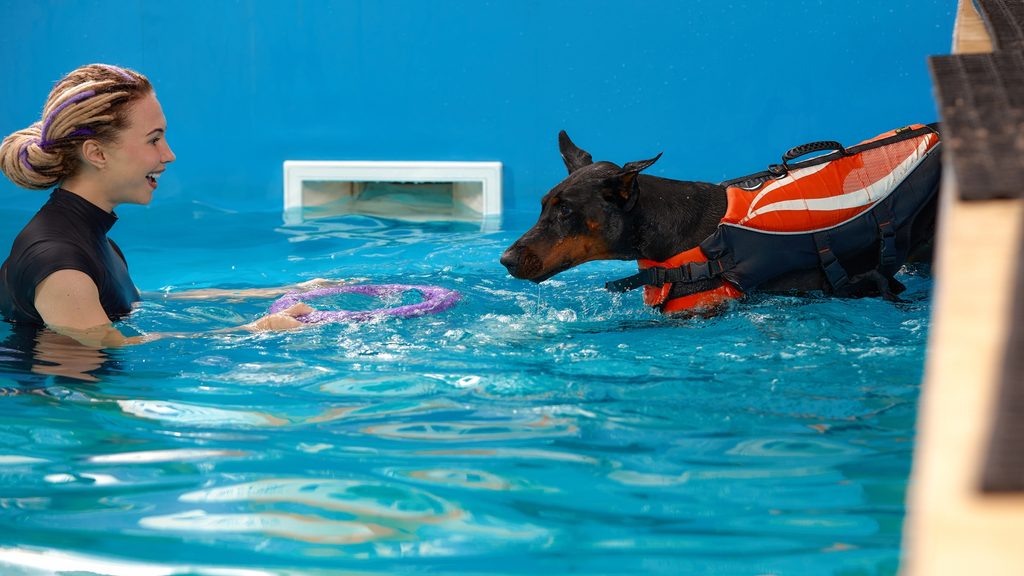
One Size Doesn’t Fit All
Swimming pools for animals are a good example of why pool engineering isn’t always straightforward. Whether they’re designed for rehabilitation, exercise or recreation, the fundamentals remain the same, but the approach needs to reflect the facility, its users and how it operates.
Whether we’re talking about a leisure centre, swimming school, animal hydrotherapy facility or recreational dog swimming pool, our view is simple: understand what the pool needs to do, get the engineering right and make sure it’s properly maintained. Because a reliable pool doesn’t happen by accident.
Planning a specialist pool facility or need support with an existing installation? Pool Tech Services provides commercial pool engineering, plant room installations, water treatment solutions and ongoing maintenance.